Recipes and Book reviews

Superdelicious Banana Bread

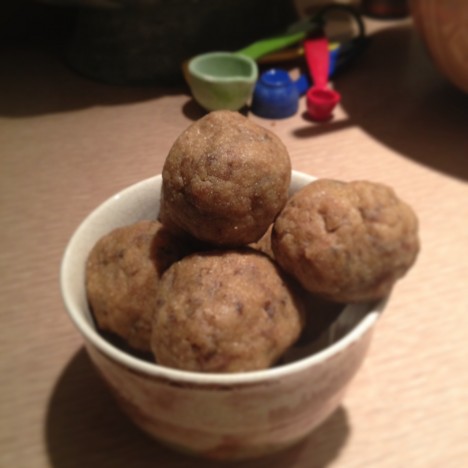
Lisa Josefsberg bakes banana bread so delicious you’d never guess it’s wheat-free, sugar-free and dairy-free. Super moist and delightfully nutty, it’s totally sweet enough to fool her husband Ken and daughters Natalie and Stella into munching big slices straight from the oven, blissfully unaware of it’s healthy credentials.

I was lucky enough to eat some on Sunday too, straight from the oven, served on a hot pink platter on a hot sunny day. Yum.

Lisa’s generously sharing her prize recipe with you too. All ingredients are, of course, organic, and quantities vary, but as a general guideline, you will need:

2 cups oat flour
handful of shredded coconut
handful of mixed dried fruit
handful of walnut pieces
pinch of salt
2 egg whites, whisked
1 whole egg, beaten
1/2 cup apple juice
3 extremely ripe bananas
a few splashes of oil, e.g. walnut oil, sunflower oil, sesame oil etc

Set the oven to 350 degrees. Mix all the dry ingredients together, then add the egg, juice, bananas and oil. Pour the mixture into a muffin tray, or a large loaf tin, or three small individual loaf tins, and put in the hot oven. Keep checking as it bakes. The loaves should be very moist, so be careful not to over cook.

Lisa’s trick is to freeze bananas when they’re really ripe. When you take them out of their skins later they are so soft and liquidy that they instantly work great in recipes like this!

Also, if you’re feeling lavish, try adding a few tablespoons of mini chocolate chips for a little melted chocolate kick. Alternatively, play with adding a little cinnamon, vanilla essence, ground cardamom or fresh strawberries.

Dolmades

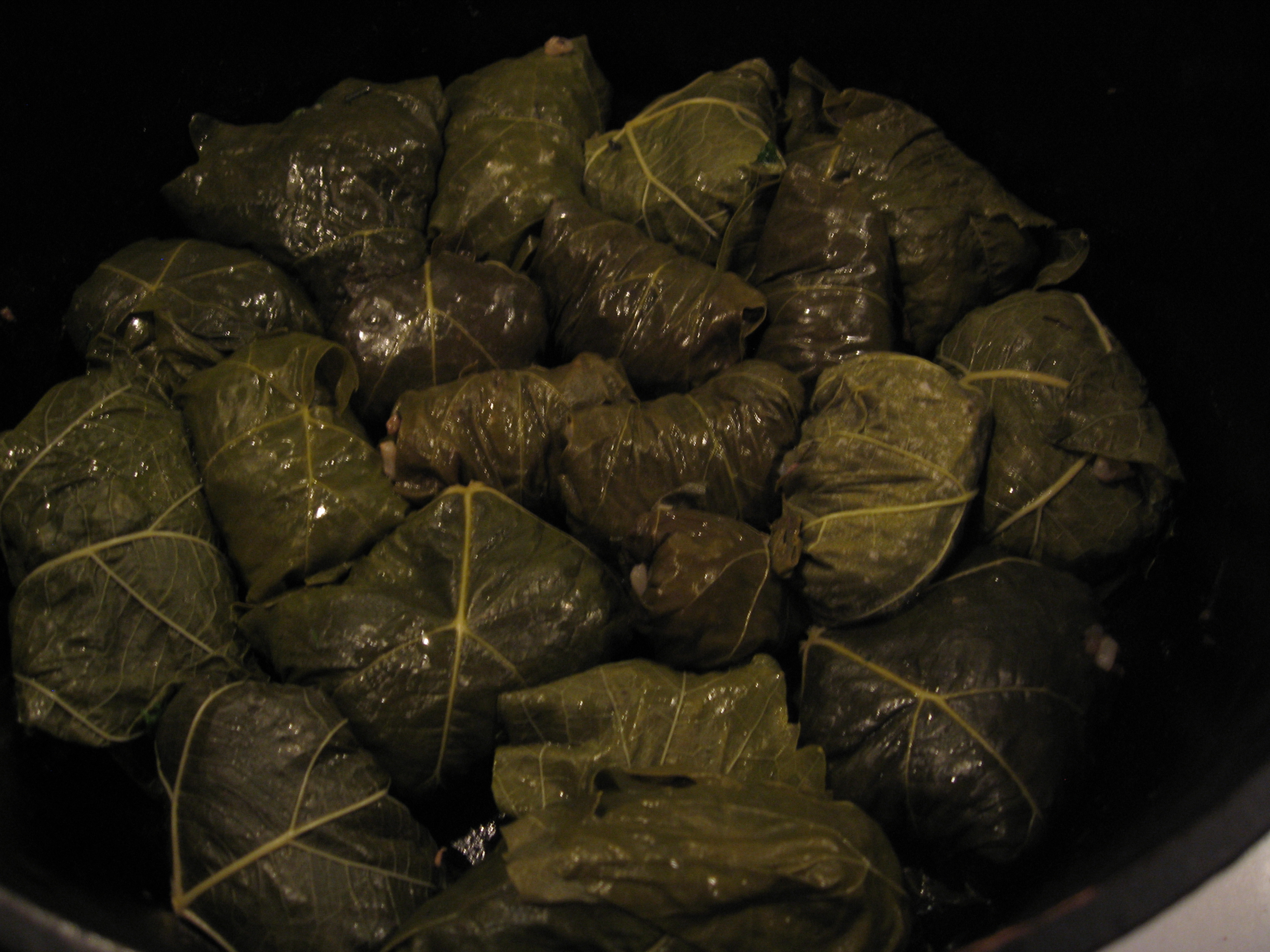
If you have grapevines in your garden, it’s time to learn how to make dolmades. When you tie grapevines to train them, a few invariably break off, however careful you are. This classic Greek dish is made by blanching grape leaves, then rolling them around a stuffing mixture such as rice, minced vegetables and ground meat.

Grape leaves are high in resveratrol, the same phytochemical that makes red wine good for your heart. Resveratol is a powerful antioxidant, and the most concentrated form of it in nature is grape leaves, which have a much higher content than the grapes themselves.

Dolmades are best made on a leisurely Sunday afternoon, because although they’re easy, they’re not quick. Dolmades are fiddly, but they’re fun, and the texture and taste is wonderful. Very homey and satisfying. Try rolling loving thoughts and kind wishes into every parcel for extra flavor.

Picked grape leaves need to be prepared within a couple of hours or they will wilt. Choose big leaves to stuff, as the little ones are too tender as well as being too small to make a meaningful dolmade.

To prepare each grape leaf, cut the stem right at the base of the leaf, then blanch a pile of flat leaves in a pot of boiling salted water for about 4 minutes. Lift them out with a pancake flipper, and lay them flat to cool down. If you’re not ready to make dolmades on the day you have fresh leaves, lie them flat in a plastic bag, remove any air, and freeze for up to 6 months.

If you are ready to roll, you need to cook some stuffing ingredients. My dolmades tonight were stuffed with organic ground beef, organic short grain brown rice, minced onions and bell pepper, chopped oregano, flat leaf parsley and oregano, and crushed garlic. However, there are a zillion stuffing mixtures that would taste wonderful, including vegetarian and vegan ingredients, like tofu, beans, cheese and tomatoes.

Line a full layer of colmades into a heavy pot, add a little liquid and bake at 420 F for 20 minutes. Serve with a fresh Greek salad salad drizzled with delicious olive oil.

Homemade sauerkraut

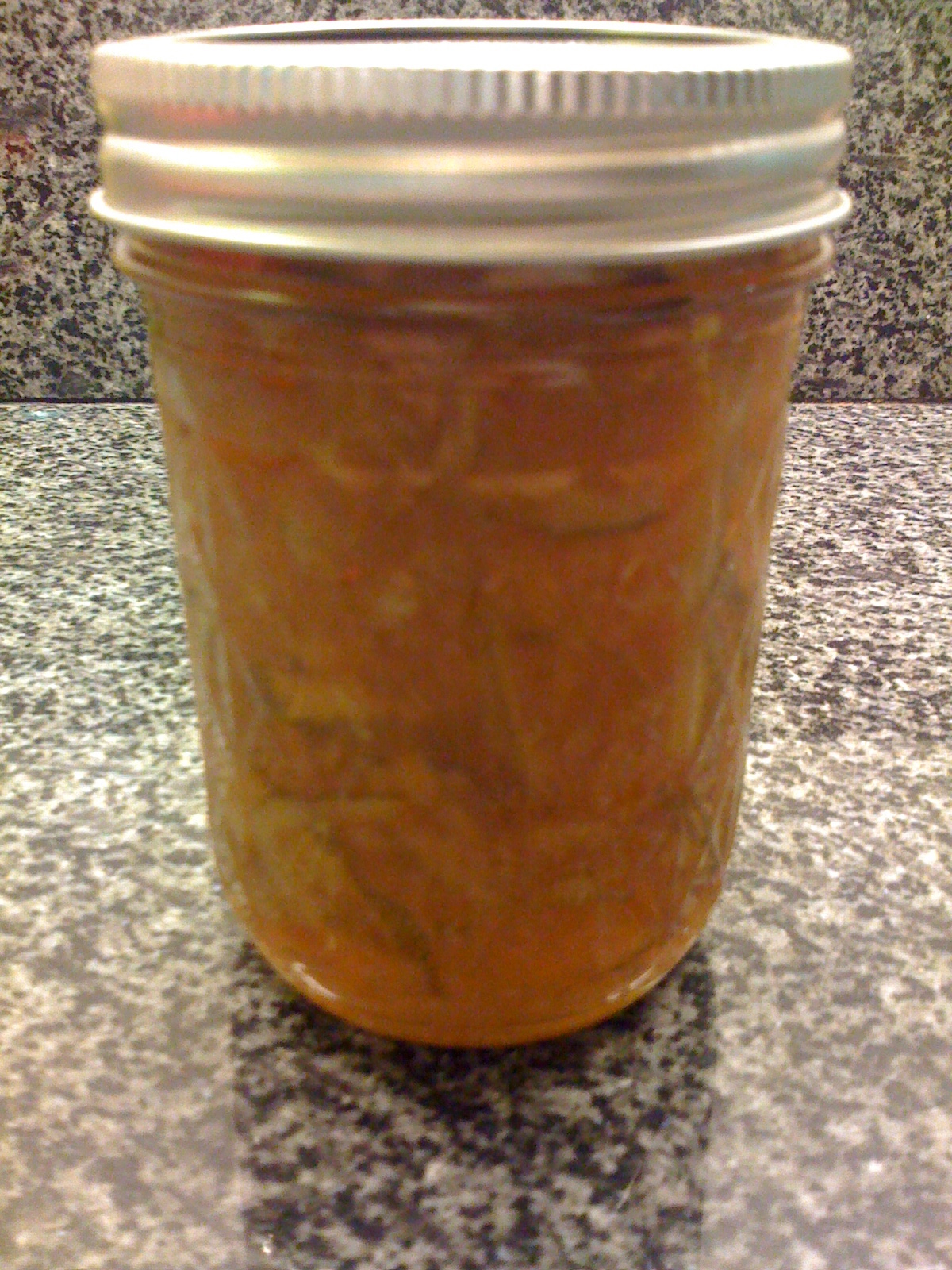
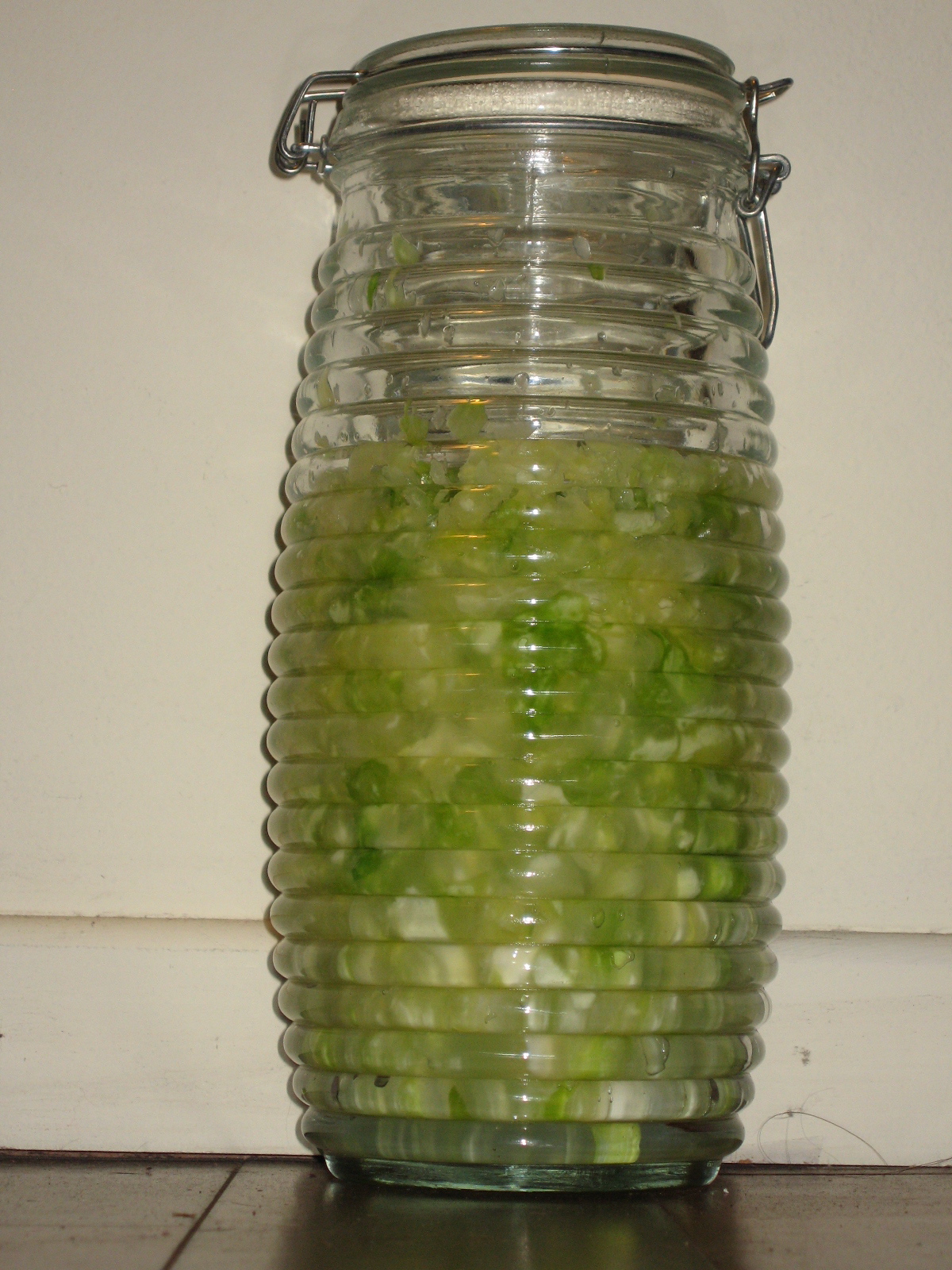
Sauerkraut is the easiest thing in the world to make, last forever, is much healthier for you than the ingredients it’s made from, and is super-good when served on the side with sausages and mashed potatoes! All you need is a big glass mason jar with a rubber seal lid, a potato masher, a big plastic bowl, a knife and board, one organic cabbage, and a tablespoon of salt.

Firstly, boil your mason jar to sterilize it, then set aside.

Remove any outer leaves that you don’t like the look of and rinse the cabbage. Cut it in half lengthwise, then slice along its perimeter into half-moon strips that are roughly 1/4″ to 1/2″ wide.

Put a quarter of the shredded cabbage into your bowl, add all of the salt, and pound hard with the potato masher. The idea is to bruise the leaves to hard that they wilt and release their juice. After about 5 minutes, empty the contents of the bowl into the clean mason jar.

Refill the bowl with more cabbage and repeat the same process of pounding it.

Repeat this step until all of the cabbage has been processed and is in the jar.

Press the cabbage down in the jar so that the juices are at least an inch above the cabbage. Seal the jar with its lid, and put in a cool dark cupboard for a week. Every few days, remove the jar and open the sealed lid to allow fermented gases to escape, then re-seal and put it back in the cupboard.

After about a week, transfer the sauerkraut to you fridge, when it will keep indefinitely.

Eat cold, or gently heat so you don’t destroy the beneficial cultures that are in there, which are just like the good stuff in yogurt.

Orange and Almond Cake

You’ve been asking me to post some of my wheat-free, dairy-free, sugar-free dessert recipes, so here’s a recipe I adore that’s free of anything like that. I’ve adapted it from a James Beard recipe, and he adapted it from a Claudia Roden recipe, and she got the idea from an ancient Middle Eastern classic cake recipe. This is my own take on it, and I promise it will work a treat in your own home kitchen.

And it’s a showcase recipe for organic ingredients. especially for the organic oranges. Not only are they more strongly flavored than many non-organic oranges, but they are the only type of orange I would consider using because this recipe includes the peel. Non-organic oranges are routinely covered with wax that contains pesticides, wherease organic oranges are safe to use skin and all.

2 large Navel oranges
6 medium eggs
1 1/2 cups ground almonds
1 cup coconut sugar
1 teaspoon baking powder
1 teaspoon cinnamon
1/2 teaspoon almond essence
Light oil (such as safflower or sunflower) for the cake tin

Wash and then boil the whole oranges in a big pot of water for half an hour. Leave them to cool, cut into quarters, and remove any seeds. Process in a food processor until the oranges have become a pulp with tiny bits of peel still visible.

Set your oven to 400 degrees and grease a 9″ non-stick loose-bottom spring cake tin. Set the cake tin on top of a cookie sheet to catch any drips that might seep through the bottom.

Once the oven is at the right temperature, in a bowl or stand mixer, beat the eggs until they’re thick. Add the orange, ground almonds, sweetener, baking powder, cinnamon and almond essence and fold in with a silicon spatula or wooden spoon. Pour the mixture into the cake tin, then immediately put it into the center of the oven.

Bake for one hour at 400 degrees (check with an oven thermometer if you can). It’s possible you may need a few minutes more baking time, depending on the amount of juice in your oranges. To check if it’s done, push the center of the cake with your finger, and see if it springs back.

I like to serve this cake with chocolate sauce and a little garnish of orange zest. You can buy coconut sugar online in the US here. Unlike regular sugar, or its very close cousin ‘evaporate cane juice’, coconut sugar doesn’t have the “crash and burn” effect of refined sweeteners.

It seems it’s acceptable for some people to use evaporated cane juice in their recipes and call it sugar-free, but for me, it’s too close for comfort. Plus coconut sugar has such a delicious caramel flavor, it’s too good an opportunity to miss out!

Of course, the main sweetness is from the fruit, nature’s wonderful wholefood sweeteners. The coconut sugar just bumps it up a notch and adds delicious toffee notes.

The New Thanksgiving Table

Thanksgiving

by Diane Morgan
Published by Chronicle Books

Diane knows how to bake a turkey and keep it moist and flavorful. Can there be any greater reason to buy a copy of this book? How about Bourbon Pecan Pie with Buttermilk Whipped Cream. Or Sweet Potato Puree with Pecan Streusel.

Imaginative without being too tricksy, this book is a fantastic companion for your family’s Thanksgiving meal. Nobody wants to stray too far from the traditional meal, but most people welcome a few enjoyable twists and additional finesse. Includes a great vegetarian main dish too, Molly’s Pumpkin-and-Sage Lasagna, and a fun section at the end about how to use left-overs.

Ecstatic Beings

ecstaticbeings

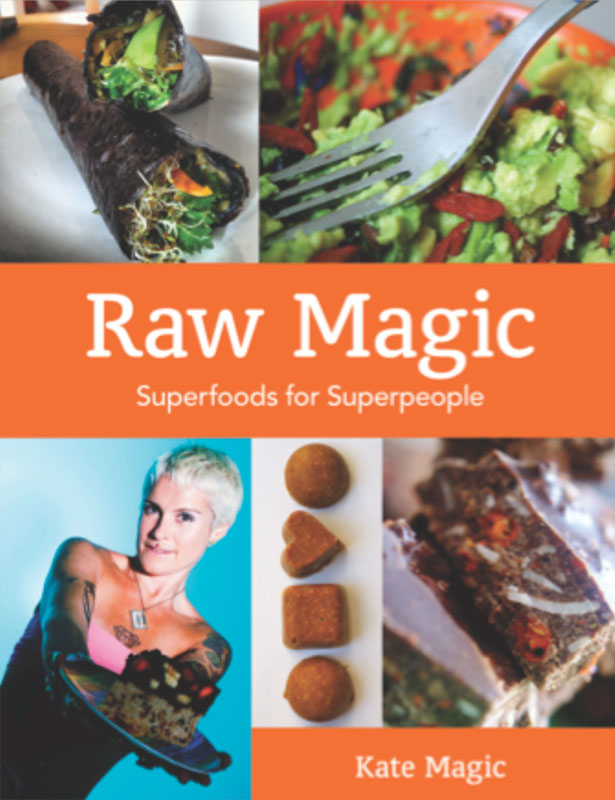
Kate Magic Wood and Shazzie are two of the world’s leading raw food advocates. Take a look at some of Kate’s raw food recipes here at OrganicFoodee.

Both Kate and Shazzie live in the UK, and both of them have had five books published about raw food. If they were non-raw food authors, you would say they are rivals, but because their life purpose is truly spreading good vibes and raw food positivity, they would say they’re soul mates.

Ecstatic Beings is the first book the two friends have written together, and it’s superfun while being superdeep. As you might expect, there are some great raw food recipes, but more than that, the book contains simple yet profound kitchen wisdom integrated with poetry wrapped in a funky disco graphic style that’s a big glitter ball with unicorns. It’s serious wisdom that’s so serious it knows the highest spiritual truths are bright light and happiness.

Check out this video of the authors talking about their book. It’s well worth buying for yourself, and would make a great gift for the holidays for the people you love who love raw food and happiness.

Get dressed

Green Salad

My friend Kristin has been bugging me to share a couple of salad dressings I regularly make. They’re both favorites for simple green salads, whether it’s just chopped romaine hearts, spicy arugula leaves, or a mixture of baby gourmet greens like spinach, raddiccio, beet tops, lambsquarter, purslane, sorrel and endive.

Both of these dressings benefit from adding dried herbs like thyme and oregano, or fresh herbs like parsley, tarragon or cilantro. If you decide to add dried herbs, it’s best to leave them to soften in the dressing for at least half an hour before you intend to serve it, but the mixture balance is up to you.

Both of these delicious tangy dressings are full-flavored, so use sparingly. When your salad is full of robust fresh organic greens, a drizzle of dressing goes a long way…

Okay, here are the basic recipes, enjoy!

Sweet Balsamic Dressing:

1 cup Balsamic vinegar
1 cup light agave nectar
2 cups hemp oil
1 tbs thyme
fresh tarragon, parsley and cilantro, chopped

Combine all the ingredients and shake to infuse.

Creamy Tahini Dressing:

2 tbs hemp oil
1/4 cup toasted sesame oil (Not plain sesame oil)
1/2 cup tahini
2 tablespoons red wine vinegar
1/4 cup water
2 small green onions (white and green parts)
1 tbs lemon juice
1 1/2 tbs shoyu
2 fresh garlic cloves
1 tbs pine nuts
1/4 tsp seasalt
1/4 tsp pepper

Combine all the ingredients in a blender, or use an inversion blender and whizz in a bowl.

Photo by Kristin Burns, with thanks.

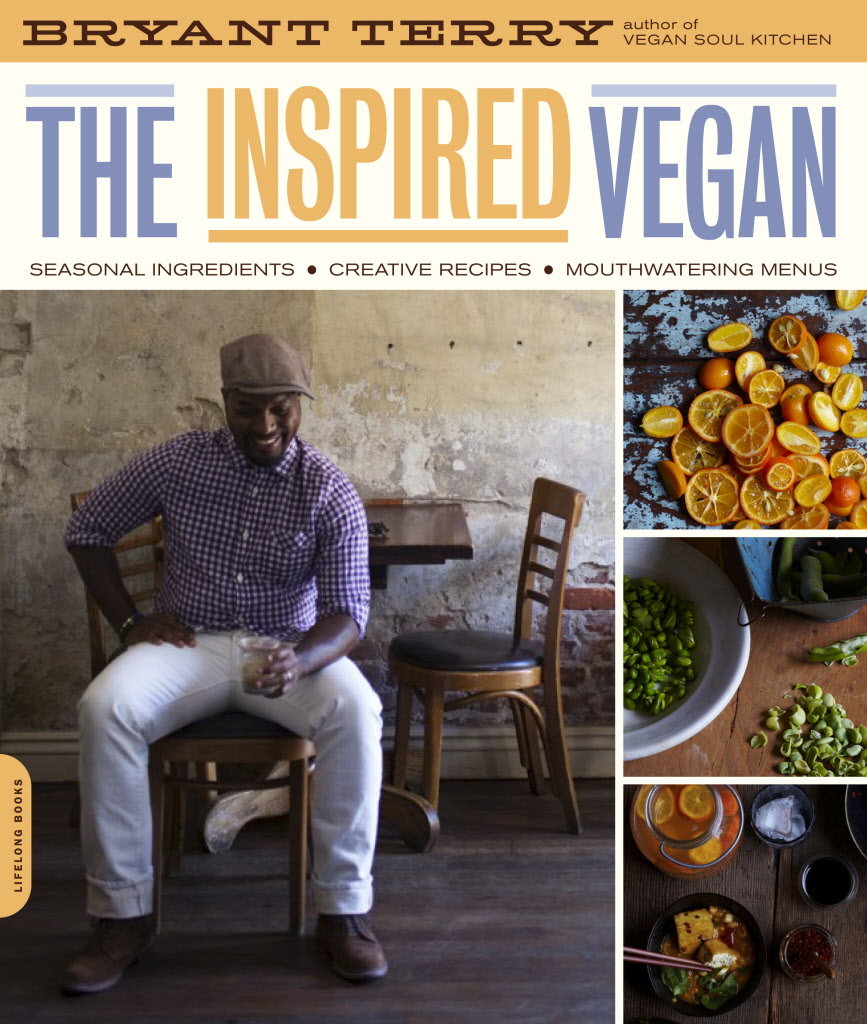
Vegan Soul Kitchen: Fresh, Healthy, and Creative African-American Cuisine

by Bryant Terry

Vegan Soul Kitchen

I like Bryant. He’s a softly-spoken yet highly driven food activist from Tennessee via Brooklyn, and he says stuff like he means it. Although I’m a Londoner, we share a similar background – we were both drawn to food writing through strong convictions about the politics of food. The flavors and deliciousness factor came to us more slowly, the sweet tastes and aromas floating towards our senses as a secondary delight.

I’m excited about Bryant’s current explorations of Southern cuisine. He was initially drawn to this subject by the need to eliminate food poverty and the diseases related to poor diet, like diabetes and obesity. He wanted to find out old-fashioned solutions to food sustainability issues, to see how poor African-American people found ways to eat well on a tight budget.

But this book is a book of riches. Rich with stories, rich with personality, rich with real solutions and enticing recipes.

It’s a rare book of vegan food that will tempt a junk food addict. And a rare vegan cookbook in that it is acutely focused on one style of cooking, and a very American cuisine at that.

Classic soul food dishes like gumbo and grits are paired with awesome music suggestions, perhaps passed down to the author from his uncle, the legendary Memphis R&B singer and songwriter Don Bryant.

It’s a collection of food ideas that uses the scraps, transforms simple, cheap ingredients into wholesome, nutritious and downright lavish dishes, served with a side of memories.

Recommended reading. ****

Baking For All Occasions

A Treasury Of Recipes For Everyday Celebrations

This weighty hardback by San Francisco Chronicle baking columnist Flo Braker provides inspiration for every sweet American baking moment. Classic American cakes like Red Velvet and Braided Coffee Cake share the oven with modern inventions like Fresh Mint Brownies and Strawberry-Mango Shortcakes with Basil Syrup. A few savory bread recipes have made it into this baking book, including challah and foccacia, but the heart of this tome lies in land of the sweet. If you’re looking for tried and tested recipes that produce classic cakes with a modern twist, look no further.

Published by Chronicle Books
ISBN 978-0-8118-4547-2

Fresh From The Farmers’ Market

This paperback book by Janet Fletcher features an introduction from legendary Berkley chef, Alice Waters, always a good sign, and is illustrated with beautiful photographs by Victoria Pearson. I was excited to learn some of the tips the author has picked up for choosing, storing and cooking fresh produce from the farmers’ market.

Take persimmons, for example. Janet describes the different types of persimmons, suggests the best way to choose each different variety, and offers different uses for each variety as well.

The book is rich with quotes from farmers and chefs, with personal tips from the people who know best.

Published by Chronicle Books, 2008
ISBN 978-0-8118-6590-6


Recipes and books archives

Like this page? Please link to us and let the world know!

^ back to top