Ysanne

Ysanne’s blog

Preserved lemons

Preserving lemons is one of the most simple and fun ways to start home preserving.

Only organic lemons have skins that are guaranteed free of waxes and preservatives, so making them out of organic fruit is essential. With the final preserved lemons, only the soft and delectable skins are eaten, so it’s absolutely essential your little tart treats are totally safe and healthy and not covered in nasty pesticides or gunk. Preserving home-grown lemons is a perfect thing to do if you live in Southern California like me. The lemon varieties that thrive here are similar to the varieties that grow in the Mediterranean, so the finished preserved lemon flavors are more authentically Moroccan-style. But any lemons, homegrown or store-bought, are delicious when they’re preserved in this time-honored method. Just as long as they’re organic.

This is the most delicious and indispensable everyday ingredient that you’ve yet to taste. Once you have made preserved lemons from scratch, you won’t know how you ever made delicious things without them. Salty, citrusy, strongly-flavored and tart, they’re a central ingredient in Moroccan cuisine and also show up now and then in South East Asian foods.

Maximum taste to preparation time benefits ratio… Here’s the process:

1. Carefully boil a big glass canning jar to sterilize it, then leave it to air-dry upside down on a clean cloth.

2. Wash and dry five big juicy lemons.

3. On a chopping board, cut each lemon into quarters lengthwise, from the stem to the pointed end… But, leave them attached at the stem end so that the quarters hold together.

4. Using your fingers, stuff each lemon with about one tablespoon of sea salt or kosher salt. Don’t use regular table salt, as it has added iodine so won’t pickle the lemons properly.

5. Squash all the cut, salted lemons inside the jar, pressing them down.

6. Close the jar, and leave in a dark, cool cupboard for 3-4 days, depending on the time of year and heat in the cupboard.

7. When you open the jar, the lemons will be softer, so you will be able to squash them down more, squeezing juice out of them as you do so.

8. Add the juice of about 5-6 more lemons so that all the lemons in the jar are covered.

9. If needed, add a weight of some kind, such as a saucer, to keep any bits of lemon from bobbing above the surface. They need to be fully immersed in the salted juice.

10. Back into the cupboard for at least a month and up to one year. Pull off quarter segments as needed, using a knife and fork to keep your fingers out of the liquid.

The liquid gets better and better over time. Little clumps of white stuff arrive after a while, but it’s completely harmless, like the dusty white stuff on the outside of grapes or the bloom on cheese. Feel free to throw more lemon peels into the juice for up to a year. Just remember somehow which peels are new to the pickle jar, and which ones have been in there for a month or more.

To use your preserved lemons, discard the pulp. Then rinse the peel with fresh cold water if you want to remove the brine for a less salty taste, or leave them unwashed if you want more punch. Either way, mince the peels finely, or try them thinly sliced. You can add the peels to sauces, condiments, pastes, sandwiches, salads or any recipes that would taste great with a salty, pickled peel.

Think of them like olives, capers or anchovies. Preserved lemons are great minced and added to fish dishes, smeared onto meats that are being roasted, or added to fresh pesto, baba ganoush or humus. Pretend it’s a pickle and – sliced finely – it adds zest to a massive range of sandwiches, from smoked salmon and cream cheese to an un-classic Reuben.

Add them to vinaigrette, or just roughly chop and throw in a salad to replace olives as a spin on a tuna nicoise. Try a sliver in a martini, or stuff a little into a date and bake wrapped in bacon.

You get the idea… go wild, get zesty!

Sprouting seeds

Mung bean sprouts

My friend Erik came by my house tonight and noticed two jars with some seeds in them, both covered with water. He instantly realized I must be sprouting seeds, but wanted to know more about the process I use. I figured I’d share my sprouting secret with you too.

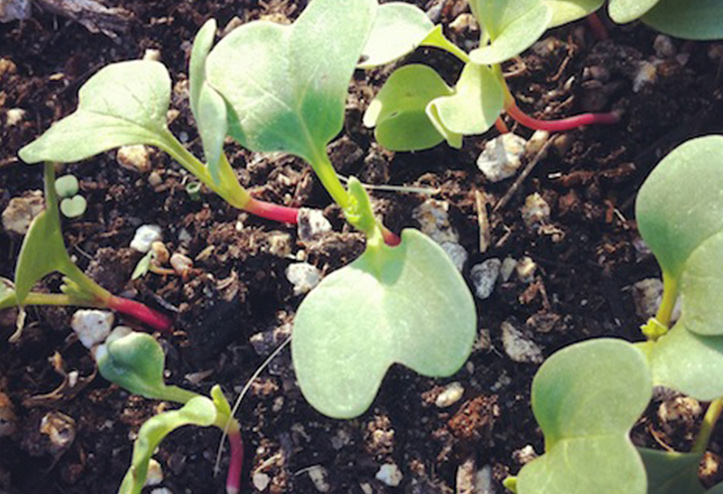
Secret is, it’s easy. Take a small amount of seeds, nuts, pulses, grain or beans, soak it in water for about 18 hours, drain and then rinse in fresh water three times every day.

That’s it. No need to buy any special sprouting trays, muslin, sieves, gauze, or any other spendy stuff. Just use a glass jar on your counter. Don’t leave it in direct sunlight, but also don’t leave it in a cupboard or the fridge any other dark place. Just regular daylight, rinse them a few times every day. Drain the water away after each rinse, using your hand to keep the seeds inside the jar while the old water drains. The excess water that’s naturally left covering the seeds is enough to help them germinate, but not so much that they spoil.

It’s important to rinse the seeds well for two reasons. Firstly, they need to be moist in order to grow. But equally important, they will only grow if the growth inhibiting enzyme that they naturally produce is washed away – it’s the stuff that stops them from growing in your cupboard, that nature’s made to keep them dormant until Spring.

Try sprouting everything in your cupboard that’s seed-like and not cooked. You can successfully sprout almost anything raw and untoasted, including sunflower seeds, wheat berries, buckwheat, lentils, almonds, mung beans, pumpkin seeds, sesame seeds, barley groats, garbanzos, cumin seeds, fenugreek, and pretty much anything else lurking in the back of your larder. As with most things in life, if in doubt, try it!

About 3 tablespoons of seeds in a quart jar, which is about a triple layer of seeds. Different seeds take different lengths of time, and are best eaten at different stages of growth. However, rule of thumb is, use your instincts, and you can’t go wrong.

Ten reasons why you’ll want to try growing your own sprouts:

1. It’s fun growing your food.
2. As the seed wakes up, its vibrancy expands exponentially.
3. And its minerals, vitamins and enzyme levels go through the roof.
4. Sprouts taste great, and have many different flavors, depending on the seeds.
5. Instant protein for very cheap, and an inexpensive experiment.
6. They’re intensely alkalinizing, which is good for the blood.
7. Kids love watching them come alive.
8. No need to soak then boil beans, so they’re less labor and energy intensive.
9. They look like tadpoles.
10. They’re easy to digest, and improve most recipes, from soups to bread, and of course, they’re great in salads.

Apple pie… with coconut sugar

Apple Pie with coconut sugar

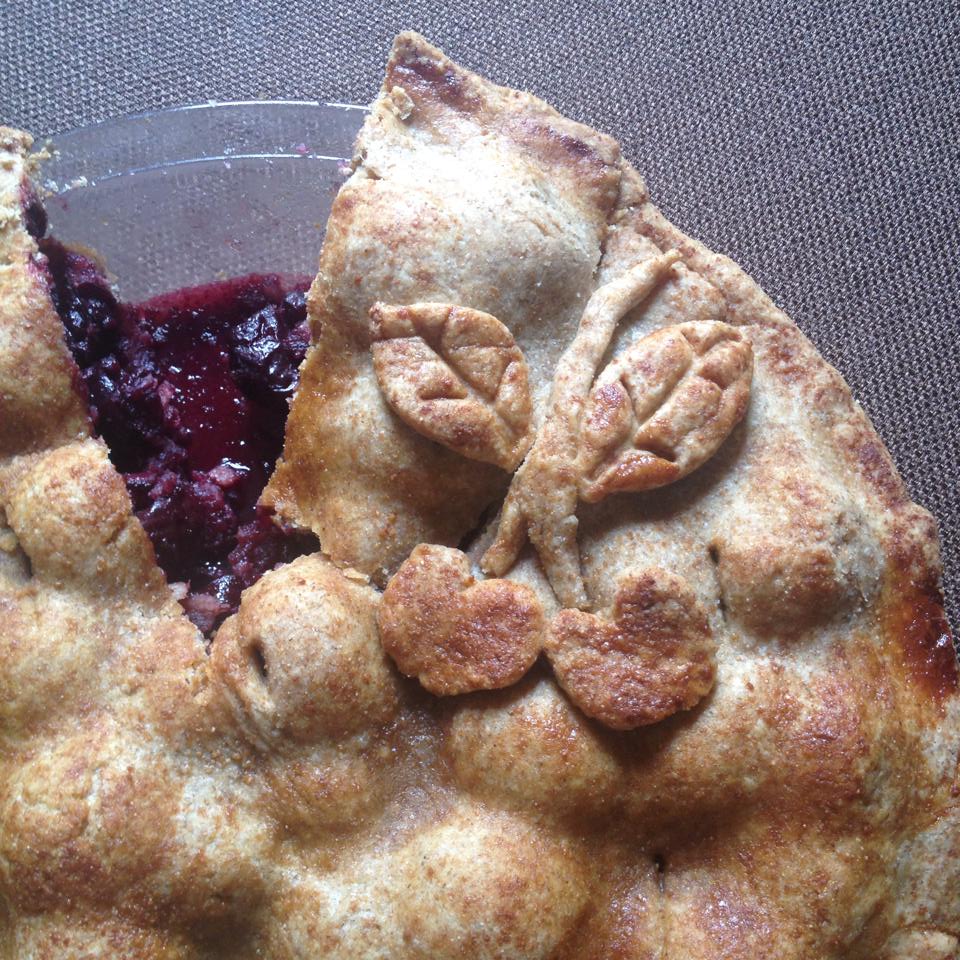
Wheat-free, dairy-free and sugar-free… this is an apple pie that tastes delicious, but is so light that you can eat an enormous delicious piece and not have to worry about sugar-crashes or feeling gloopy.

It has a sugar-cookie style crumb to the crust thanks to a mix of buckwheat and spelt flour, and has plenty of natural sweetness due to the organic Granny Smiths and Bosc pear it’s filled with, plus some coconut sugar.

Coconut sugar is a traditional organic food that’s new to me, but well known in Indonesia. It’s been made for thousands of years from the sweet nectar sap from the flowers on coconut palms. Men climb the palms, and make a slit in the base of each flower to drain off the liquid while leaving the flower where it is. The liquid is then boiled vigorously, and gets more and more condensed as it cooks until it becomes like toffee. Then it’s ground into grains that resemble unrefined sugar.

It has a rich caramel taste that’s like toffee. It’s much less sweeter than regular sugar, and also less sweet than honey or maple syrup. And it’s much gentler in terms of glycemic index – it won’t make you crash and burn like regular sugar. Coconut sugar is distributed in the USA by Essential Living Foods.

My pie is made even better because I’ve made the top crust by cutting the pastry into little oak and maple leaf shapes, layering the leaves to form a pretty pie, and adding a pair of acorns on top as a finishing touch. No wonder my friend Joelle looks so pleased… an apple pie full of locally-harvested all-American organic fruit that’s fit for Thanksgiving!

I’m so thankful to have access to these healthful ingredients, to share this pie and future pies like this with kindhearted friends, and to have been welcomed into this abundant, sacred land that is now my home.

Fall’s fruits

Fall's Fruits

If you’ve not had a chance to visit your local farmers’ market recently, brave the crispness in the air and get out there. Fall is a fabulous time for fresh fruit and vegetables wherever you are.

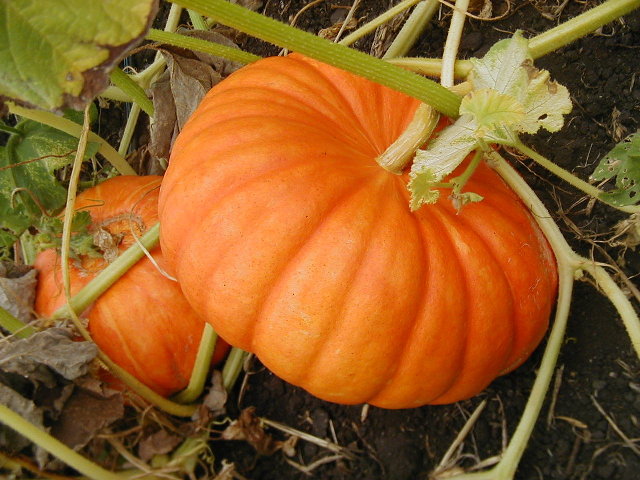
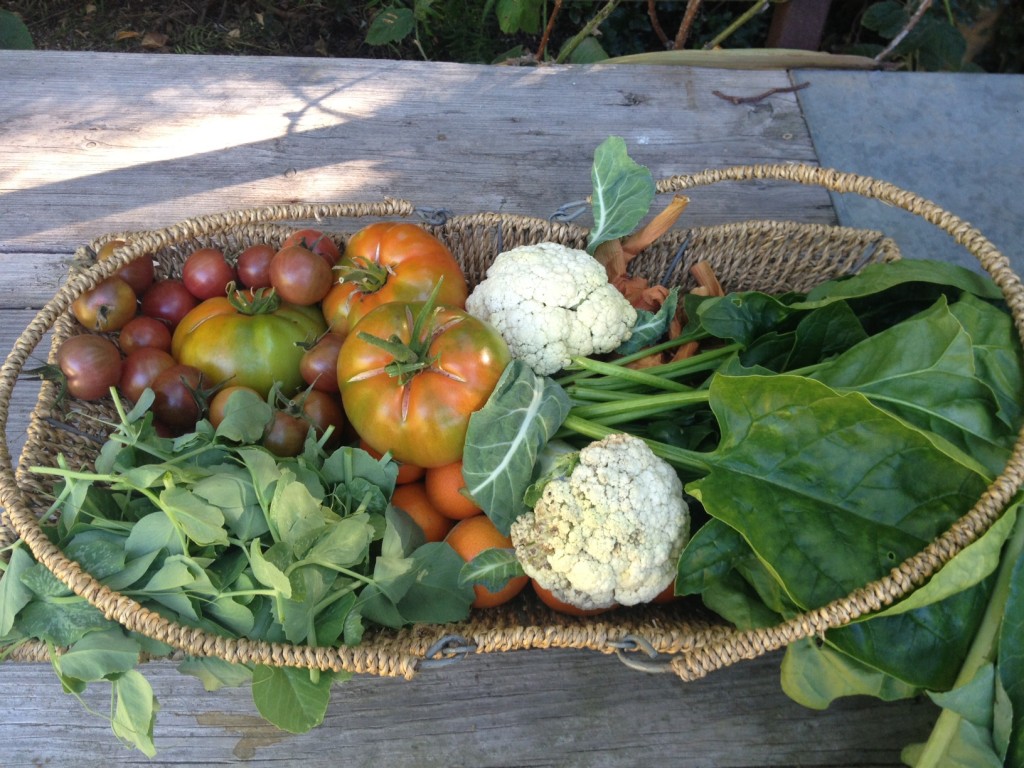
Here’s some of the wonderful produce I picked up today at Atwater Farmers’ Market in East Los Angeles, Southern California. As you can see, Los Angeles is a delicious place to be right now, with the last of the summer’s fruits still available, as well as the new crop of autumn’s bounty. Peaches rub shoulders with persimmons, tomatoes mingle with pomegranates, and lettuces happily nestle amongst the pumpkins.

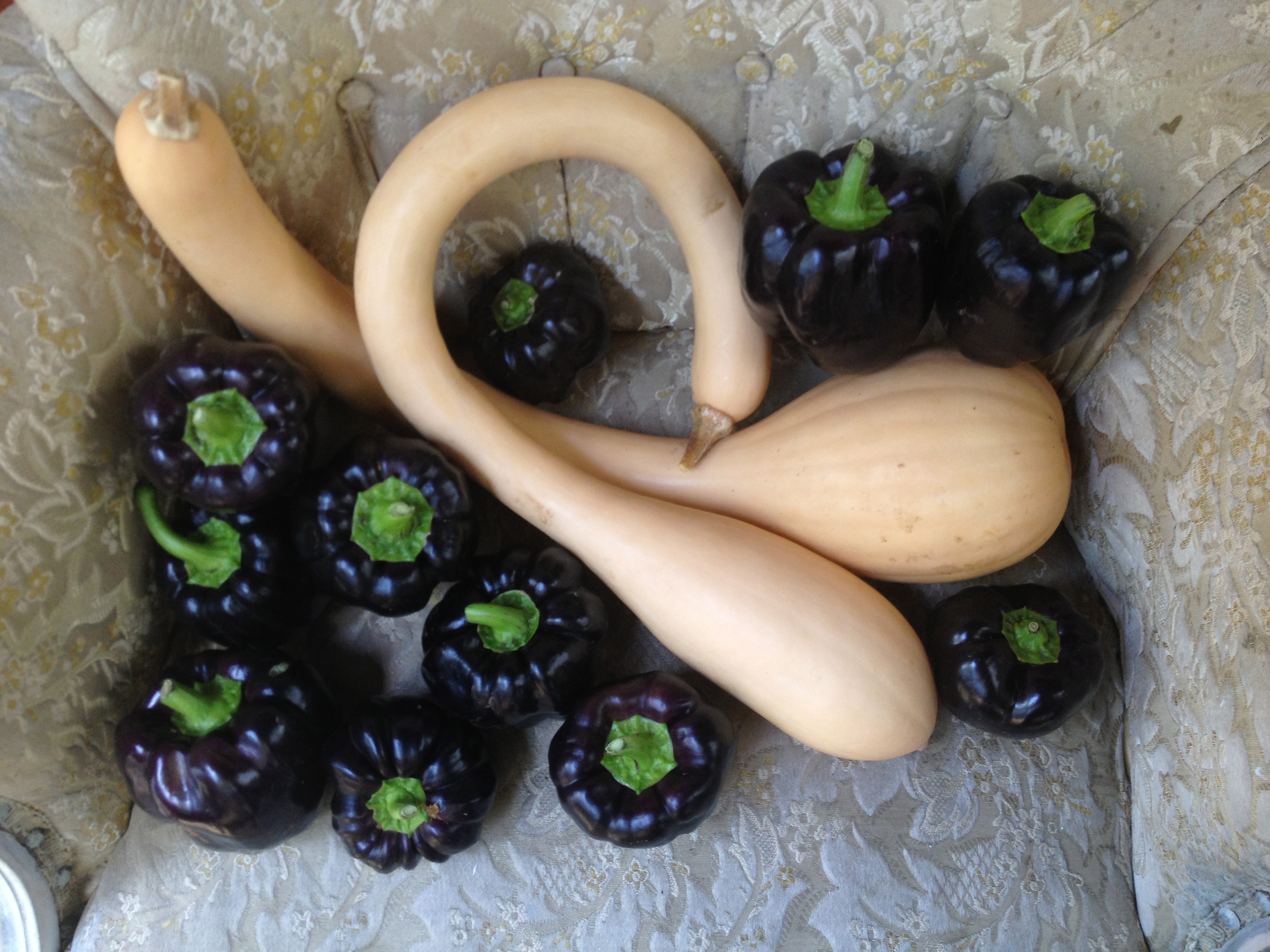
But even in the coldest parts of America and Europe, it’s an exciting time for farmers’ markets. Hardy leafy greens like kale, chard and cabbage grace stands with their deep jewel colors and clean, intense flavors. Squashes of all kinds are everywhere, including little flying saucer shaped patty pans and larger pale yellow spaghetti squash, like the one pictured here.

The simplest way to prepare spaghetti squash is to prick it with a fork, place on a baking sheet and bake whole at 375 F (200 C) for about an hour, depending on the size. Once it’s cooked, leave to cool slightly, then cut it from top to bottom. Scoop out the seeds, then separate the strands using a fork.

Serve with your favourite spaghetti sauce, or simply drizzle with a little flavourful oil and serve as a side.

Pumpkin Pizza

pizza

Could this be the most delicious pizza in the world? Here’s private chef Kat Turner proudly showing a pizza while I gaze on lovingly, tempted by its sweet aromas, excited to taste a bite. Her pizza’s fresh out of the wood-burning oven here in Chicago, Illinois, home of the traditional deep-crust pizza, but currently nurturing a new breed of pizza pioneers.

Kat specializes in cooking food with an eye to special dietary needs, such as no dairy, no wheat or no nightshades. Her hand-kneaded pizza dough is sometimes made with traditional wheat, and other times made with a gluten-free flour blend, then topped with a robust combination of allergy-friendly ingredients.

First, she smeared it with her own ‘nomato’ sauce. It’s a special blend of beets, carrots, onions, celery, thyme, bay leaf, and a tiny bit of chicken stock to make it more robust. No tomato needed. Sometimes she makes it stronger flavored still by adding garlic and Italian herbs such as fresh parsley and oregano, but tonight it’s acting purely as a base for the other toppings.

First up, there’s a killer sage oil, made by heating minced garlic and fresh sage in a skillet, then adding oil and gently continuing to infuse the oil with flavor. After a while, Kat strains the sage and garlic, pressing them to release as much of the liquid as possible, then adds a little lemon juice and minced spinach to make a rich deep green color. A little goes a long way, so she painted the pizza with just a dab or two.

Next, we added some of the butternut squash and onion that I roasted and blogged about here. On top of that, Kat added a some nuggets of mozzarella and herb-rolled goat’s cheese, plus a few plump balsamic-glazed sliced mushrooms.

Then it went straight into the superhot oven… And you know what? I really do think it was the most delicious pizza in the world at that moment.

Photo by Kristin Burns

Time for squash

roasted-butternut-squash

As autumn draws in, opportunities arise for slow roasting squash. As we speak, the air around me is filled with the aroma of sweet caramelizing squash juices meeting nutmeg, cinnamon, pepper, sage and thyme in their roasting pan. Doused in a light grapeseed oil with a splash of water, the whole deal took about ten minutes to prepare, but at 325 degrees, the cooking flavors will scent the air for the next 3 hours. Come supper time, I’ll be ready to blend the squash with caramelized onions and garlic and serve it with plain boiled organic short grain rice, macrobiotic-style. Would you like to join me?

Free range and grass fed

Holstein cows

I’ve just returned from Hollister Ranch, a gorgeous place somewhere near Santa Barbara on the California coast, which is between San Francisco and Los Angeles. It’s a stunningly beautiful stretch of countryside, with rolling green hills, blue skies and rolling ocean famous for it’s great surfing waves. The land around here is rich and fertile, with vineyards and olive groves not too far away. There are wild deer, hawks in the air and rattlesnakes on the ground, and in this idyllic setting, there are free range, grass fed cows. Here are a few of them.

It’s a sad reality that these cows are living it up in a style completely out of sync with 99% of their brothers and sisters. Not too far away, there’s an enormous cow camp known as Harris Ranch that epitomizes everything bad about factory farming cattle. The plains of Harris Ranch are cow brown, because the cows are crammed in so tight, there’s simply no space in between them for any other hues to be seen.

The happy Hollister Ranch Angus cows in this photo eat and sleep out in the hills, occasionally being moved from A to B by a pair of old-fashioned cowboys and their two collie dogs. It was a wonder to watch the cowboys at work. Their skillful effectiveness was so elegant, rounding up the cows with zero invasiveness or distress to the animals.

When you buy beef, please remember these beautiful cows and if you can find it, please buy organic beef that’s grass fed.

Earth Day food prep

soil_prop_intro

It’s been a great Earth Day so far… First, we finally dug up the lawn ready to plant a new crop of tomatoes, greens, herbs, beans and precious strawberries. When I say ‘we’, I mean the gardener, but either way, the water-guzzling grass has gone!

Next up is the fabulous community Earth Day weekend plan… which is this: a Block-Wide Yard Sale! This means that all of the houses on my street have been invited to sell and recycle their unwanted junk. What’s one person’s junk is somebody else’s treasure. It’s also a chance for everyone to say hello to each other, and if we’re lucky, our neighbors Kelly Coyne and Erik Knutsen are going to teach us how to make home-brewed beer.

Why not plan a local community sale of some kind where you live?

Valentine’s ideas

Gentlemen put your money and grand gestures away because today’s self
sufficient, modern woman is looking for a new style of romance,
according to a study by the Lindt Master Chocolatiers of Switzerland.

An overwhelming 76% of men and women in their survey said that it was the small,
thoughtful presents where money wasn’t a factor that really melted
their hearts. These Valentine’s Day top treats for men and women included a
romantic meal, cards with thoughtful messages and spending quality time
together.

After years of conspicuous consumption and grand over the top romance, a
much lower key, more modern style of love – one that is increasingly
focused on small, considerate actions rather than the traditional or the
costly – seems to have taken hold as the economy shifts down a gear.
Identified as “New Romantics: in the survey, these modern women have
nothing to do with the 1980s music scene and everything to do with a new
trend towards credit crunch love.

In fact the study – which will make welcome reading to both men and
women alike – found that 31% of modern women were suspicious of an
over the top or excessively grand romantic gesture and would prefer a box
of their favorite chocolate instead.

Relationship expert, Sam van Rood, believes this is because love and
romance is getting back to basics after the credit crunch:

“This February 14th a budget Valentine’s will win you more romantic brownie
points than splashing out on expensive presents. Thoughtful, simple gifts
are all you need to show your partner you love them. Gold diggers aside,
the majority of women look for equality in a relationship which results in
a more considerate form of romance where it’s the thought that counts.
Popular gestures that women all over the world love are small but beautiful
gifts which include running a bath for a partner surprising her with a
babysitter for some me (or us)-time or simply buying her favorite organic
chocolate – actions which revealed both consideration and an appreciation
of the other partner’s individual needs and wants.”

The Master Chocolatier for Lindt commented: “The results from the study
hopefully help to de-mystify modern attitudes to romance and alleviate some
of the pressure today’s couples face to keep romance going without running
up huge costs. Our report revealed that small, considerate gestures are
“in” for 2009, and keeping the romance alive can really be as simple as
offering her favorite chocolate.”

WHAT’S HOT FOR VALENTINE’S 2009:

Small gestures

A head or foot massage

A handwritten note

Running a bath for your partner

Holding hands

Cooking dinner together

DVD and sofa snuggles

Carrying her bags

WHAT’S NOT:

Splashing the cash

24 long stemmed roses

A spa day

Text messages

A weekend away

Hollywood kiss

Eating out

Multiplex cinema

The latest “IT” bag

A giant box of chocolates

1 December 2008 survey of 2,043 adults aged 16 and above

Pane D’Amore Bakery

Port Townsend is a Victorian seaport, arts community and food Mecca on the Olympic Peninsula in Washington State, USA. There’s a bakery there, and it goes by the name Pane d’Amore.

Founded by Frank d’Amore and Linda Yakush, the bakery sits at the heart of this delicious, health-led and gourmet region. They serve breads and pastries to the public and supply restaurants with fresh loaves seven days a week.

“We maintain a wider focus on the entire baking process,” commented Yakush. “We don’t just buy ingredients and manufacture bread – we source the healthiest and most ethically sound products always, with a focus on the top priority – what lands on the table.”

Pane d’Amore uses Shepherd’s Grain flour, sourced from sustainable family farms and Food Alliance certified grain. While the bakery does not make 100% organic products across patisserie lines, organic ingredients are always used where possible.

Keys in the success of Pane d’Amore have been the wide variety of baked goods they offer, and their willingness to listen to their commercial clients and regular customers. They currently create twelve separate kinds of dough, and forms them into 38 different loaf shapes.

“Most people say we’re nuts,” Frank d’Amore says. “Some great bakeries will make up to six or seven doughs, add various inclusions, and shape them into perhaps fifteen loaf shapes. But we cover the entire spectrum, making something for everybody. We have everything anyone could possibly come up with.”

Pane d’Amore is located on Tyler Street in the historic Uptown district of Port Townsend. If you’re visiting the area, you’re encouraged to stop by and see the bakery in action.

By Stefan Walters


Blog archives

Like this page? Please link to us and let the world know!

^ back to top